
Finally Watch That Old Mark Fade — Without Lasers, Needles, or Tape That Falls Off
The Curelle Silicon Scar Stick uses a 24-Hour Occlusion Seal™ — medical-grade silicone plus soothing Centella — to soften the look of scars, redness, and marks for anyone who's stared at the same spot for months. Most people see texture and redness quiet down over 8–12 weeks of daily use.
- ✓ ✓ Softens the look of old & new scars
- ✓ ✓ Calms lingering redness (PIE)
- ✓ ✓ Glides on clear, invisible under makeup
- ✓ ✓ 30 seconds, no mess, no tape
- ✓ ✓ Gentle enough for sensitive skin



Real Skin. Real Marks. Real Relief.

"Stopped checking the mirror"
"I've had marks on my cheeks for years and I'd zoom in on them every single morning. Three weeks of swiping this on and the redness has calmed down enough that I just… forgot to look one day. That was everything."

"Tape never stayed, this does"
"The silicone sheets fell off in my sleep every single night. This goes on in seconds, you can't see it, and I actually use it now. My surgery mark is softer and flatter than it's been in a year."

"Skeptical, then surprised"
"I've wasted so much money on serums that evaporate and do nothing. Wasn't expecting much. Eight weeks in, the mark isn't gone but it blends in so much better it barely reads as a scar anymore."
Say Goodbye to Scar-Care Hassles
Say Goodbye to Scar-Care Hassles
- No more tape falling off overnight
- No more serums that evaporate in minutes
- No more $2,000 laser gambles
- No more hiding the spot in every photo

Meet the Curelle Silicon Scar Stick
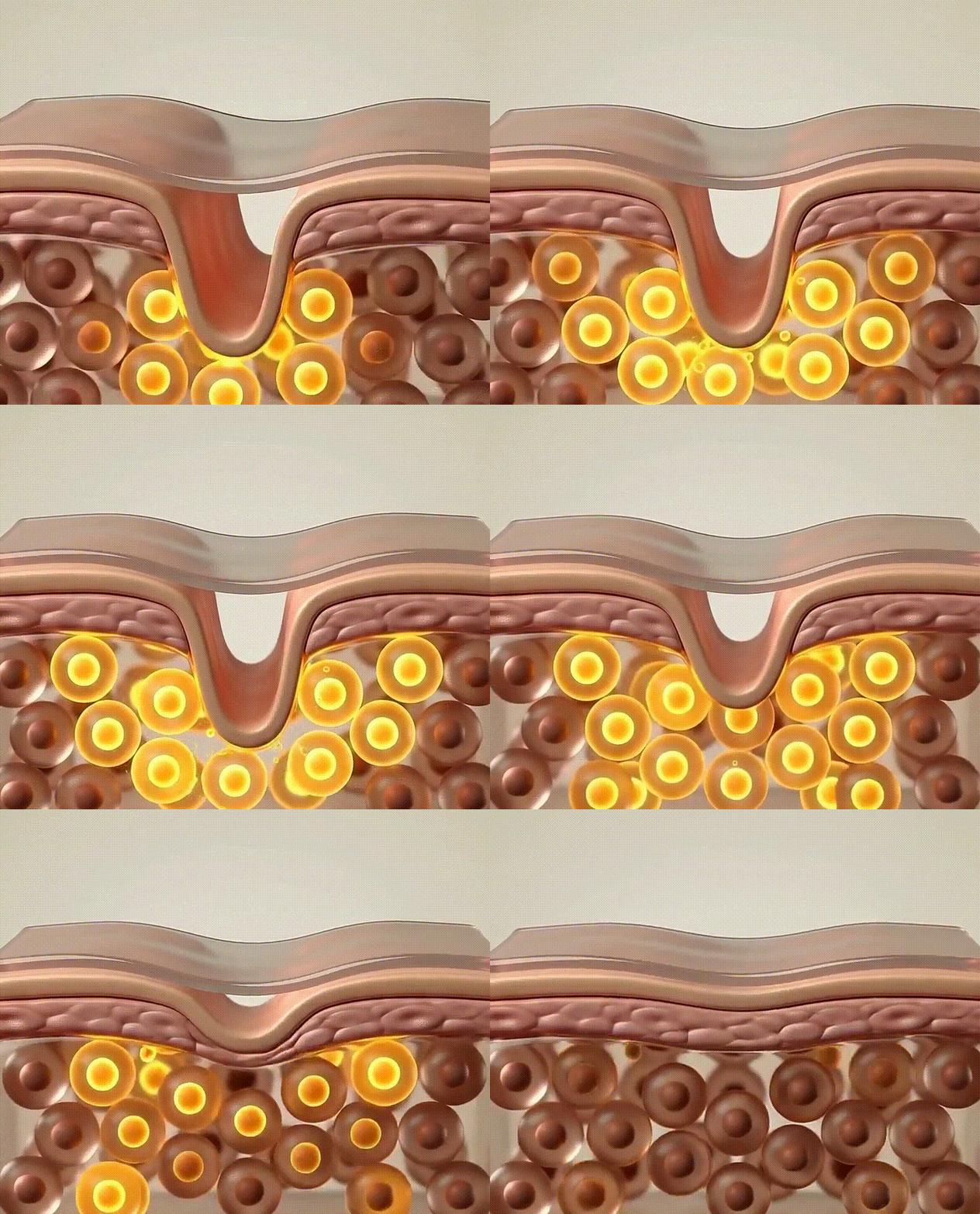
- A 24-Hour Occlusion Seal™ that keeps your mark in the moist, protected environment it needs to remodel
- Soothing Centella and bisabolol that support compromised skin and help calm the look of redness
- A clear, matte, twist-up format you'll actually use every day — the only thing that gets results
Why The Curelle Scar Stick Stands Out
Most scar products either wash off, sit on top and evaporate, or peel away by morning. The Curelle Scar Stick is different. Here's why:

24-Hour Seal
The 24-Hour Occlusion Seal™ stays put and keeps working while you sleep, work, and live. Old-school gels break down in minutes and never give skin the sustained conditions to remodel.

Cica-Infused
Beyond silicone, Centella asiatica triterpenoids and bisabolol soothe stressed skin and help reduce the look of redness — support most bare silicone sticks simply don't carry.

Massage-Applied
The solid stick lets you gently massage as you apply, working the layer into raised or thickened areas — a step silicone tape physically can't do.

Invisible Format
Clear, matte, and pocket-sized. It treats without announcing itself, so you can reapply anywhere without a mirror or privacy.
Don't take our word for it. Hear what our customers say

"I picked at my skin for years and the marks left behind wrecked my confidence — I could barely look at myself. Having something to swipe on instead of pick at changed the whole ritual for me. The spots are calming down and, honestly, so am I."

"Post-C-section I wanted something that wasn't messy and wouldn't rub off on everything. This became a 30-second part of my morning without me even thinking about it. The area feels less tight and the line is softening."

"I'm 52 and I'd made peace with a scar I've had since I was a teenager. Made peace, but still saw it every day. It's not gone — but it's quiet now, and that mental shift is worth more than I expected."

"Tried lasers years ago, spent a fortune, got irritation and not much else. A dermatologist friend told me the real secret was silicone. This is that, in a format I'll actually keep up with. Texture's smoother than it's been in years."

"I was terrified of putting anything new on my skin after everything I'd reacted to. This never once irritated me. The changes were slow but steady, and slow-but-steady is exactly what I needed to trust it."

"Used this on an old stretch-mark area I'd basically given up on. Three months in the skin catches the light less and feels more even to the touch. I wish I'd found it sooner."
Low Stock
This product has limited availability


PRIME DAY SALE IS ON!

The one that finally stuck
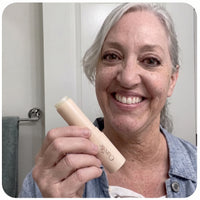
I'd bought and quit five different scar things before this. Having one simple step I could actually keep up with is the whole reason it worked — eight weeks in, the mark reads as skin now, not a scar.
Getting Rid of That Mark Has Never Been Easier
See the Difference
Here's how the daily seal stacks up against everything you've already tried:
Characteristic
Save Time.
Save Trauma.
Save $$$
Customer Reviews
Easy application, real change
Glides on smooth, powdery matte finish, and I've definitely noticed the coloring of my scar evening out.
Worked on my new scar
Real difference on a post-surgery scar. The strips always fell off from rubbing on clothes — this doesn't have that problem.
Helps the pulling and itch
Non-greasy, massages in nicely, and it calmed the redness and that tight pulling feeling within a couple of days.
Not gone, but quiet
Rolling marks aren't erased but they're smoother and blend in. Fragrance-free, never clogged me.
Four months in
Been using it daily and my skin just looks healthier and more even. Simple enough that I never skip it.
Finally something I'll keep using
I keep one in my purse and one by the bed so I never forget. Consistency is the trick and this makes it effortless.
Softening slowly
On an old mark I'd given up on. Slow but I can see the texture settling down. Giving it the full protocol.
Good on new marks
Great on the fresh one, still working on the older one. So far so good and no irritation.
Even to the touch
Old stretch-mark area feels more even and catches the light less after a few months. Wish I'd started sooner.
Guys, this works too
Used it on a chin scar. Not a miracle but clearly softer and less noticeable. Takes ten seconds.
No more painful waxing
I used to dread my monthly wax. This is so much gentler and I can do it whenever I want. No redness, no bumps, no appointments.
No more painful waxing
I used to dread my monthly wax. This is so much gentler and I can do it whenever I want. No redness, no bumps, no appointments.
Catches every hair
It grabs the fine blonde hairs my tweezers always missed. My skin looks airbrushed and makeup sits so much better now.
Worth it
Skeptical at first but it really works. Easy to hold and the discs glide smoothly. Recommended it to my sister already.
Gentle and effective
Sensitive skin here and zero irritation. Finally something that removes hair from the root without leaving me red for days.
So easy to use
Charged it once, used it dry, done in five minutes. The results last weeks and it cleans under the tap. Brilliant little tool.
Smoother than ever
My face has never been this smooth. The peach fuzz is gone and my skin feels soft, not stubbly like after shaving.
Highly recommend
I've tried creams, razors, threading — nothing compares. This is fast, painless and the regrowth comes back so much finer.
Confidence booster
I no longer panic about chin hairs before going out. Quick touch-up and I'm done. Wish I'd bought it years ago.
My new favorite
Compact, quiet and so effective. It's now part of my weekly routine and my skin has never looked better.
No more painful waxing
I used to dread my monthly wax. This is so much gentler and I can do it whenever I want. No redness, no bumps, no appointments.
90 DAYS
GUARANTEE
Customer satisfaction is our #1 priority.
Use the Curelle Scar Stick daily for 60 days. If you don't see your mark look softer, calmer, or less noticeable — send it back for a full refund, no questions asked.
Any questions? Let us answer them
Scars remodel slowly. Most people notice redness calming in the first couple of weeks, with texture and visibility improving over 8–12 weeks of daily use. The 24-Hour Occlusion Seal™ works by consistency, not speed — which is exactly why the 3-pack full-protocol supply matters.
Both. Fresh healing marks tend to respond most, but the seal can also help soften the look and even the texture of older, stubborn marks. Results are more modest on very old scars — think 'less noticeable,' not erased.
It's fragrance-free, non-comedogenic, allergy-tested, and pH-stabilized, formulated to suit dry, oily, combination, and sensitive skin. As with any new product, patch test first, and check with your physician for post-surgical sites.
Gently massage a layer onto clean, dry skin over the mark, several times a day. On the face, apply after SPF and before makeup. For best results, stay consistent for 8–12 weeks — the seal only works when it's actually on your skin.
It goes on in about 30 seconds, dries clear, and layers cleanly under makeup or skincare. One stick is roughly a 2–3 week supply with daily use — which is why the Results Pack covers the full 8–12 week protocol without you running out mid-way.
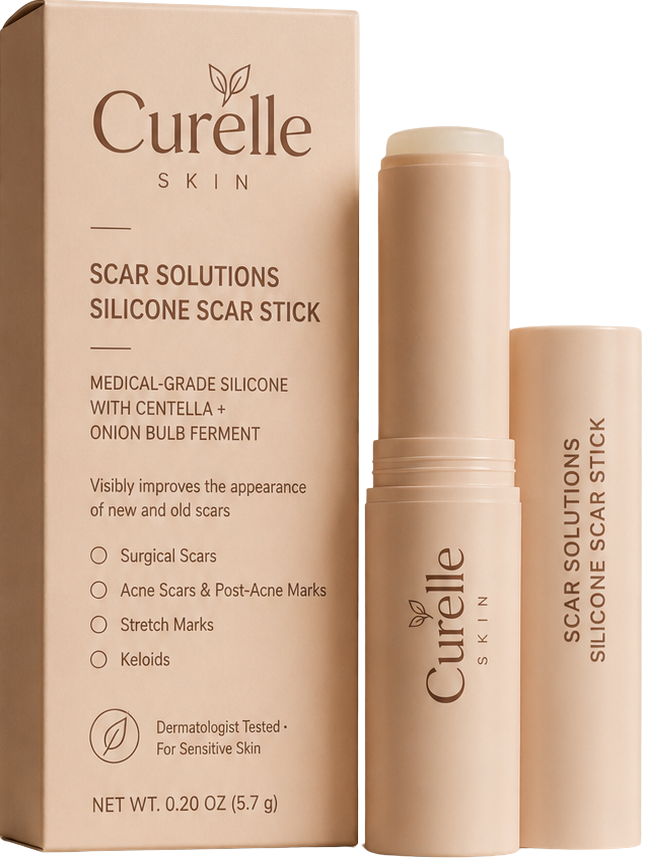
Save on Your 90-Day Scar Protocol!
3 sticks + the free 90-Day Scar Timeline eBook — for basically the price of one.
CLAIM MY RESULTS PACK →